


A recruiter I know spent most of a Wednesday afternoon writing what she called the best job description she’d ever written. She restructured it three times, cut the jargon, added real detail about the team’s working style, and posted it to the company’s careers page before logging off feeling good about it.
Ten days later: four applications. One was a former employee from a company the hiring manager had specifically said to avoid. One had applied for six other roles at the same company in the past two months. The other two were fine, maybe, but neither was close to what the team actually needed.
She told me this story on a Thursday while we were both waiting for a webinar to start. She wasn’t complaining, exactly. She was confused. The job description was good. The role was real. The company wasn’t a bad place to work. So where were the candidates?
Most talent acquisition teams haven’t fully named it yet: the career page has quietly stopped being the place candidates start. It’s where they go to confirm a decision they’ve mostly already made. The research, the gut-check, the “do I actually want to work here” part of the process happens somewhere else entirely. And if your team isn’t showing up in that somewhere else, you’re invisible to the candidates worth hiring.
What Candidates Are Actually Doing Before They Apply
Before a strong passive candidate applies anywhere, they investigate. Not the company page. The people. They search names. They look for engineers, designers, product managers, anyone from the actual team, on LinkedIn. They read posts. They watch what someone shared about a problem they solved last month. They check whether the people doing the work seem like people worth learning from.
By the time they land on the careers page, most of that research is done. The decision about whether to apply is already leaning one way or another based on what they found, or didn’t find, in the feed.
I talked to a software engineer I’ll call Marcus about this. He was passively job hunting, which mostly meant scrolling LinkedIn during the odd moments when his code was compiling and he had nothing urgent to do. He’d been at his current job for about three years, wasn’t miserable, but was curious about what else was out there. He told me he’d decided he wanted to work for a particular startup before he even knew they had an open role.
Not because of their careers page. Not because a recruiter reached out. Because a senior engineer at that company had been posting about a distributed systems problem the team was working through, sharing how they were thinking about it, what they tried, what didn’t work. The posts weren’t polished. One of them ended with something like “still not sure we made the right call here, will report back.” Marcus read four of them over two weeks and thought: these are the kind of people I want to be around.
He found the open role through LinkedIn jobs, applied the same day, and mentioned the engineer’s posts in his cover note. He got an interview within 48 hours.
Marcus had one advantage worth noting: he already followed that engineer from a conference talk a year earlier, so the content surfaced more reliably in his feed. That context helped. But the behavior, using employee content as the real signal for whether a company is worth joining, is everywhere now. The career page is the last stop, not the first.

Why Career Pages Were Built for a Different Era
Career pages weren’t designed for this. They were built to centralize information at a time when candidates went looking for jobs. Here’s the role, here’s what we offer, here’s the apply button. That worked when the career page was the destination.
Attention doesn’t work that way anymore. A LinkedIn algorithm will show a product manager’s honest post about a decision that backfired to thousands of people who weren’t searching for anything job-related. A careers page only surfaces when someone already knows where to look. Those are completely different distribution models, and only one of them reaches people who aren’t actively searching.
There’s also a credibility problem that no redesign fixes. Candidates have spent years reading employer brand content and have gotten good at identifying it. A professionally produced video about company culture, with upbeat music and smiling people in a well-lit office, reads as advertising because it is advertising. An engineer posting honestly about why they rebuilt the authentication layer from scratch, including the part where the first approach failed, reads as real. The polish signals performance. The candor signals trust. More production value often makes the gap worse.
Most talent acquisition teams spent the last decade investing in careers site infrastructure, ATS integrations, better job description templates. Reasonable investments at the time. But candidate behavior moved somewhere else while that was happening, and the companies that noticed earliest are now pulling ahead in ways that are hard to close quickly.
What Creator-Led Recruiting Actually Looks Like In Practice
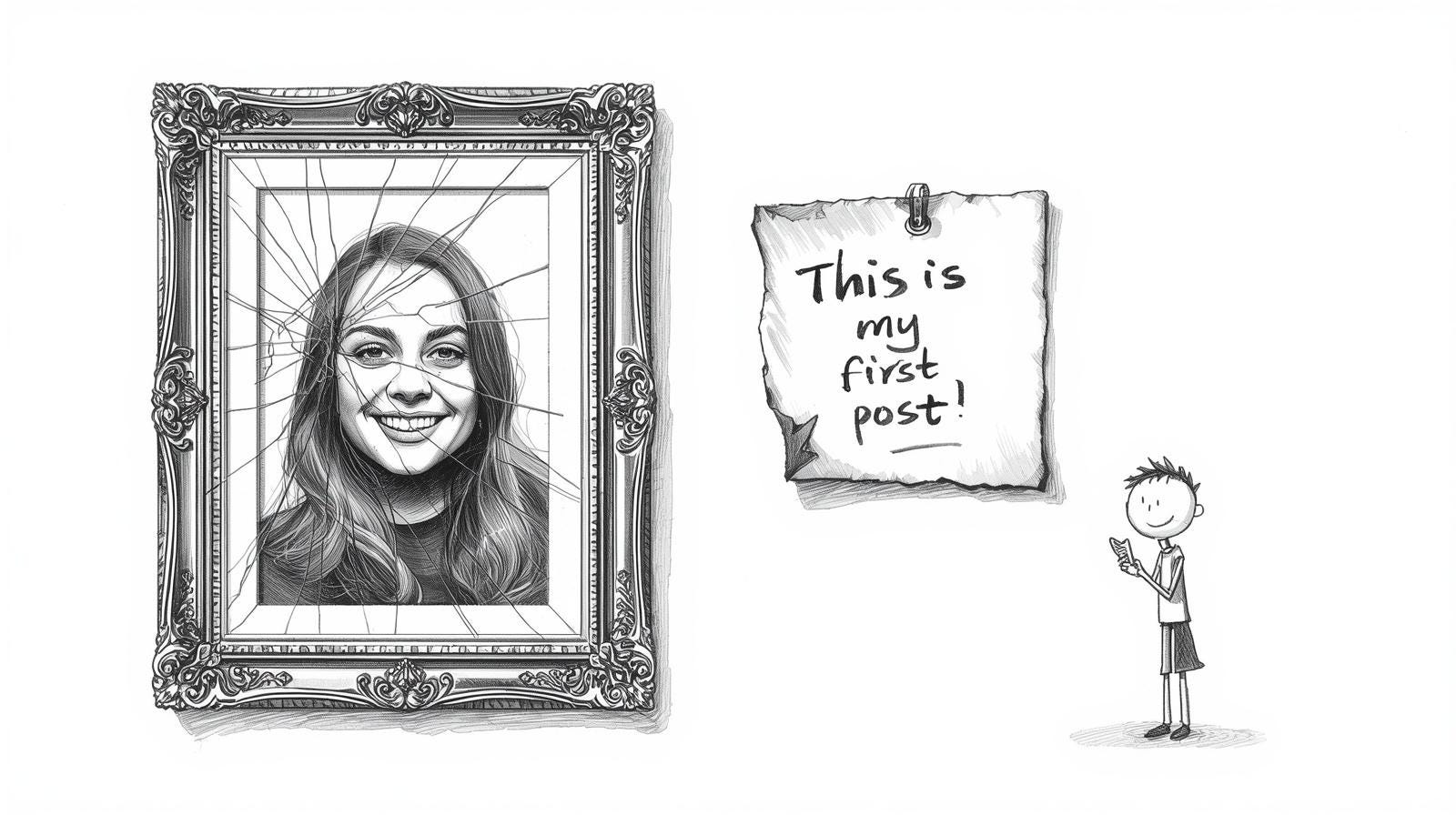
Creator-led recruiting means the people who work at your company, not just the recruiting team, build a visible presence on the platforms where candidates spend time. Engineers post about technical problems. Designers share work in progress. Managers write about how they run one-on-ones or handle a missed deadline. The content is real, specific, and tied to actual work, not to the company’s messaging calendar.
What that looks like varies a lot by person and role. A data scientist who posts about a modeling problem they got wrong and had to rethink is not posting “recruitment content.” But candidates in that field are reading it and making decisions based on it. A team lead who writes honestly about how they handled a difficult performance conversation is doing more for candidate trust than any careers page copy about “psychological safety.”
One engineering team I’ve watched from a distance has three or four people who post regularly about their work. None of them are doing it as a formal recruiting strategy. They just seem to like sharing what they’re working on. But when I looked at where several of their recent hires said they first heard about the company, it kept coming back to those posts. One new hire said he’d been following one of their engineers for almost a year before the role existed.
That’s the part that doesn’t show up in any ATS report: the candidate who found you twelve months before you found them.
The recruiting team still matters here, and I’ll get to that specifically. But the content that moves passive candidates is almost always coming from the people doing the work, not the people posting the jobs.

The Passive Candidate Problem Nobody is Solving
Most of the candidates worth competing for aren’t on job boards. They’re employed, reasonably content, and not looking. They’re also scrolling LinkedIn at 9pm while half-watching something on TV.
Traditional recruiting has no clean answer for this. You can source and cold message, but response rates on outreach have dropped steadily for years. The problem isn’t the message, it’s the context. A “I came across your profile and thought you’d be a great fit” message from someone you’ve never heard of reads as noise, regardless of how well it’s written. Candidates in high-demand fields have learned to ignore it reflexively.
Employee content approaches the passive candidate differently. Instead of going to them cold, it puts something worth reading into the feed they’re already scrolling. A principal engineer who posts consistently about their work becomes a familiar name to other engineers in that space, long before any job is posted and long before any recruiter reaches out. When the outreach eventually happens, it lands differently. The company isn’t unknown. The people aren’t strangers.
A sourcing team at a mid-sized SaaS company tracked something worth paying attention to over a six-month stretch. More than half of their accepted offers came from candidates who had engaged with content from someone at the company, not necessarily the recruiting team, before they ever applied or were sourced.
Familiarity changes behavior.

What the Recruiting Team’s Job Actually Becomes
When employees are producing content that builds real candidate interest, the recruiting team’s job shifts. Not disappears. Shifts.
The old model: write job descriptions, post them, wait, source, cold message, screen, repeat. The recruiter is the primary point of contact between the company and the candidate market, and almost all of that contact is transactional.
The new model is different. The recruiting team becomes the connective tissue between employee content and candidate pipeline. They identify which employees are posting content that resonates with the candidate profiles they’re trying to hire. They help amplify that content through their own networks. They post their own content about the hiring process itself: what interviews look like, what the team values in candidates, what questions come up repeatedly and why. And when candidates reach out because something an employee posted caught their attention, the recruiter is ready to continue a conversation that already has context.
That’s a more interesting job, honestly. It’s also harder to do well than writing job descriptions.
Some of the most effective recruiting content I’ve seen is recruiter-written posts that reference employee work directly. Something like: “One of our engineers posted last week about how we handle incident response. I’ve been on calls with a lot of companies about their engineering culture, and that post is more honest about how we actually work than anything I could write. If that resonates with you, here’s what the hiring process looks like.” That’s not a job posting. It’s a bridge between what candidates already found and what they need to know next.
The Employee Who Doesn’t Think They’re Recruiting
Most employees who post good content aren’t thinking about recruiting at all. They’re sharing because they find it useful, because their manager encouraged it, because they’re trying to build their own profile, or because they just solved something hard and want to write it down before they forget it.
That’s fine. It’s actually better than fine, because the content that comes from genuine interest reads completely differently from content that was produced to attract candidates. Candidates can tell the difference.
The recruiting team’s role here is light-handed. It’s not about telling employees what to post or creating a content calendar for the engineering team. It’s about lowering the friction for people who are already inclined to share: making it easier to post, showing people the impact their content has had on candidate interest, and occasionally asking if someone would be willing to talk publicly about a project they’re proud of.
The employees who are not going to post, won’t, and pushing them will produce content nobody wants to read. One uncomfortable truth about creator-led recruiting is that it relies on the people who are already visible and already credible. Not everyone on the team will contribute equally, and that’s not a problem to solve. It’s just how it works.
There’s a version of this that gets overcomplicated fast. Companies that build formal employee advocacy programs, with required post quotas and approved content libraries, tend to produce exactly the kind of content that candidates have learned to ignore. It looks like employer branding with extra steps.

The Shift That’s Already Happening Without You
The gap between companies whose people are visible and those whose people aren’t is widening. And it compounds in a way that’s hard to close later. A candidate who has followed an engineer at your competitor for eight months, found the work interesting, and decided those are the people they want to learn from, is not reading your job posting with fresh eyes. They’re comparing. And if your team isn’t visible, there’s nothing to compare.
The most concrete next step is probably the smallest one: find two or three people at your company who are already posting content that the right candidates would find interesting, and figure out what’s getting in the way of them doing it more. Not a content strategy. Not a formal program. Just remove one piece of friction for people who are already doing the thing that works.
Creator-led recruiting won’t fix a broken interview process or a compensation structure that’s below market. It brings more of the right candidates to the door, and it brings them in warmer, with more context and more genuine interest than a job board application typically carries. What happens after they knock is still entirely on the team.
The hardest part of this isn’t the content. It’s accepting that the most powerful recruiting asset your company has is probably an engineer or a designer who posts about their work because they feel like it, and your job is mostly to stay out of their way.
Building a Team Content Strategy That Doesn’t Fall Apart in Month Two
Here’s how it usually goes.